McCutchen Place
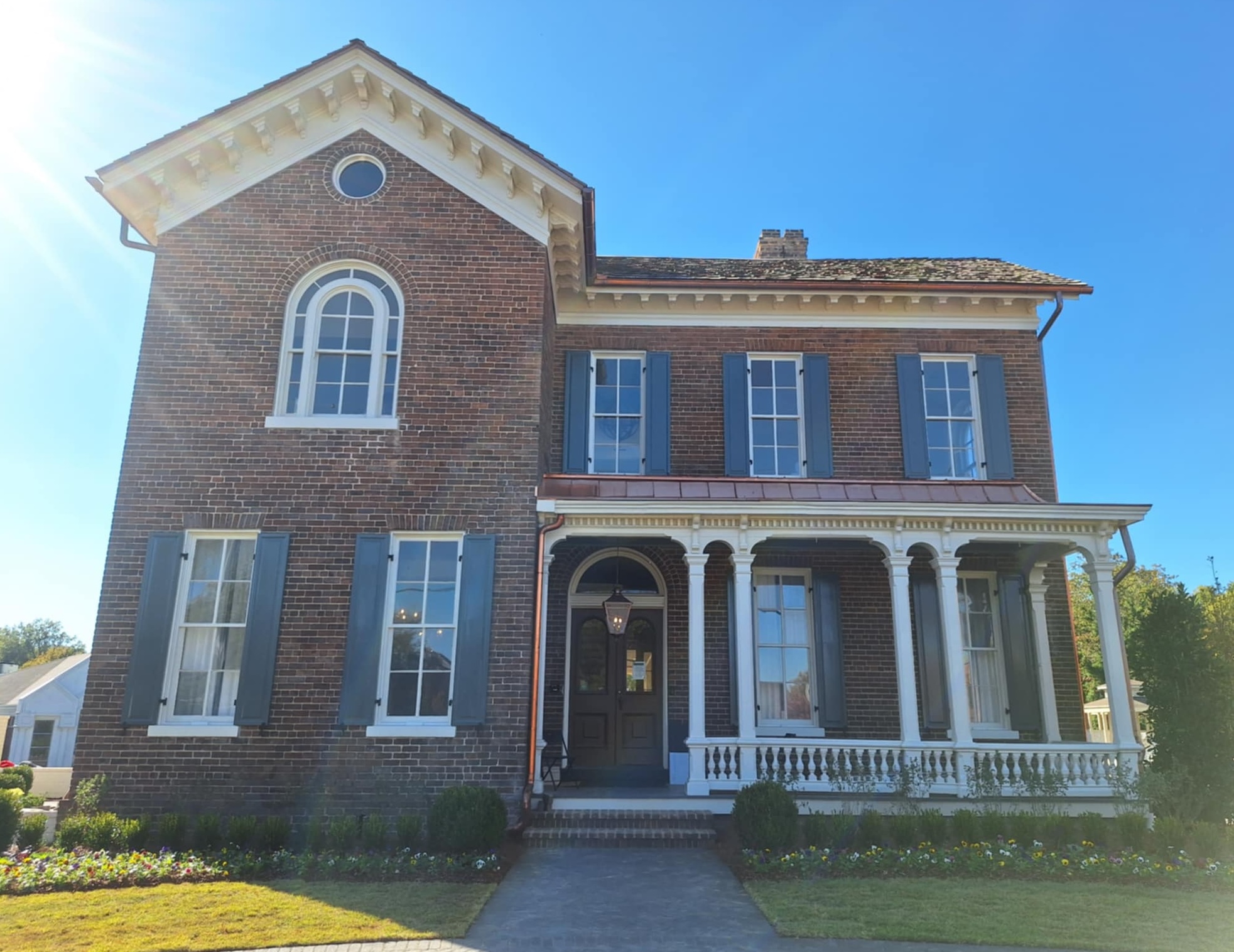
Discover the story behind the historical McCutchen Place, a part of Dalton’s history where FoundationWealth proudly resides and continues to thrive.
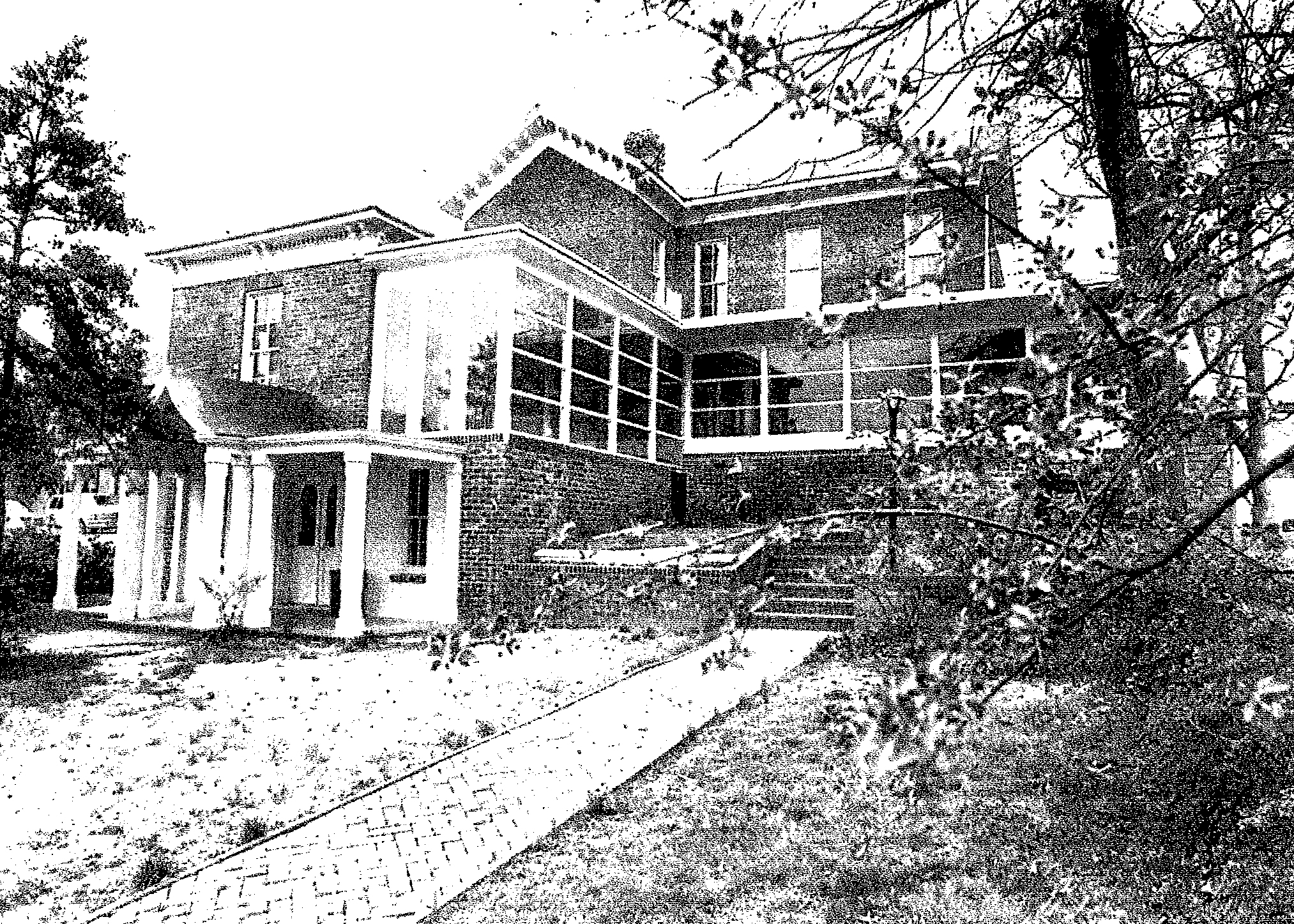
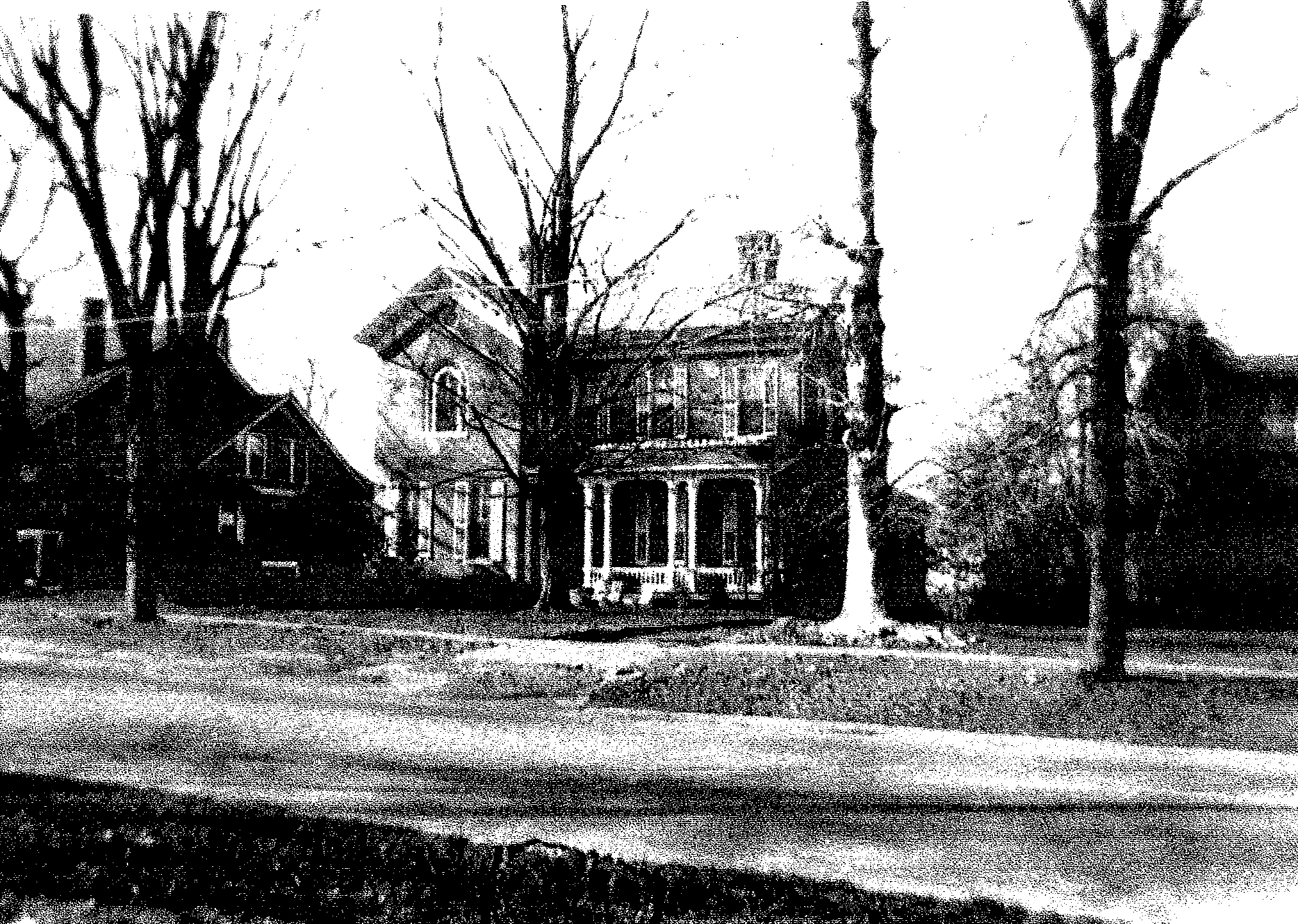
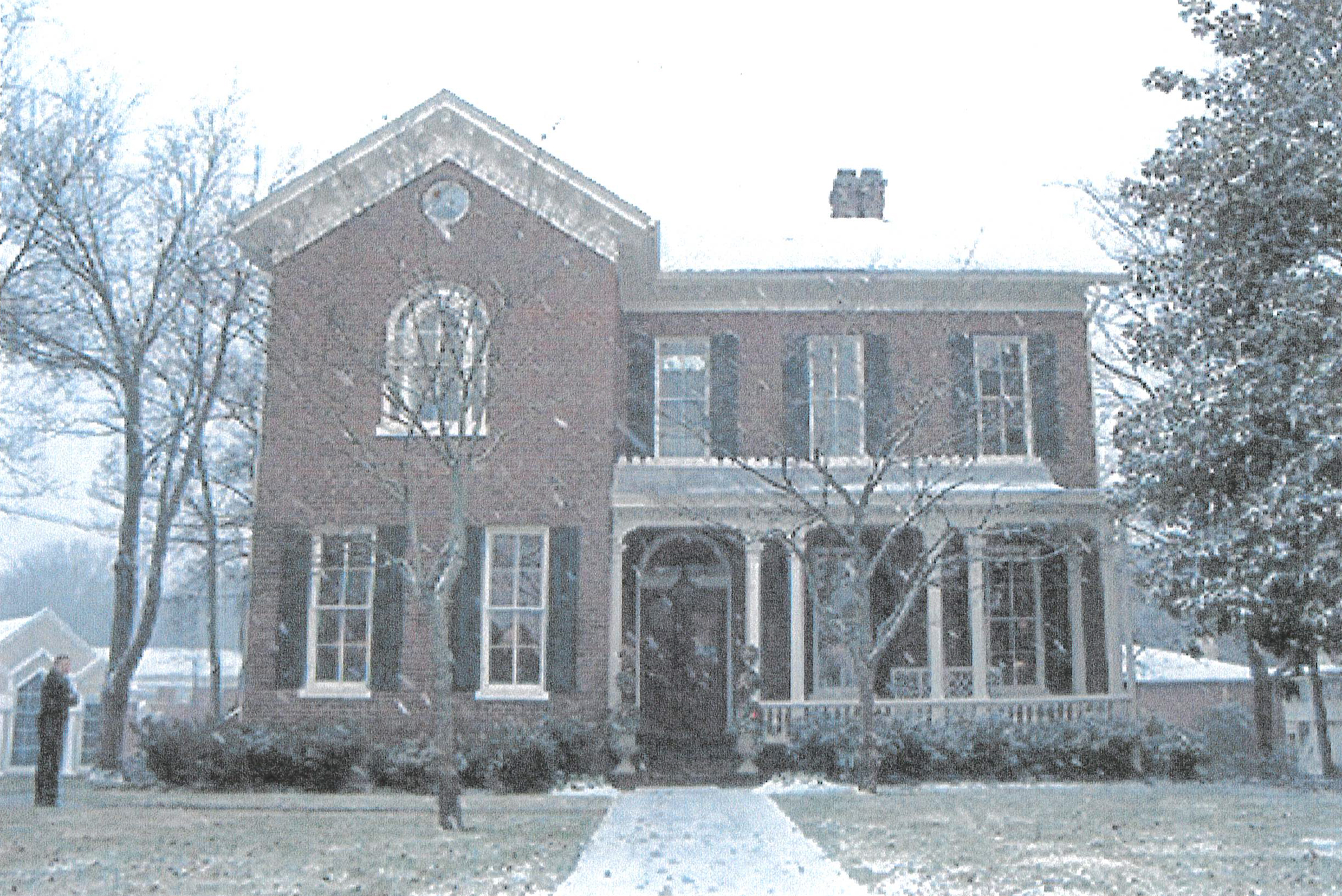
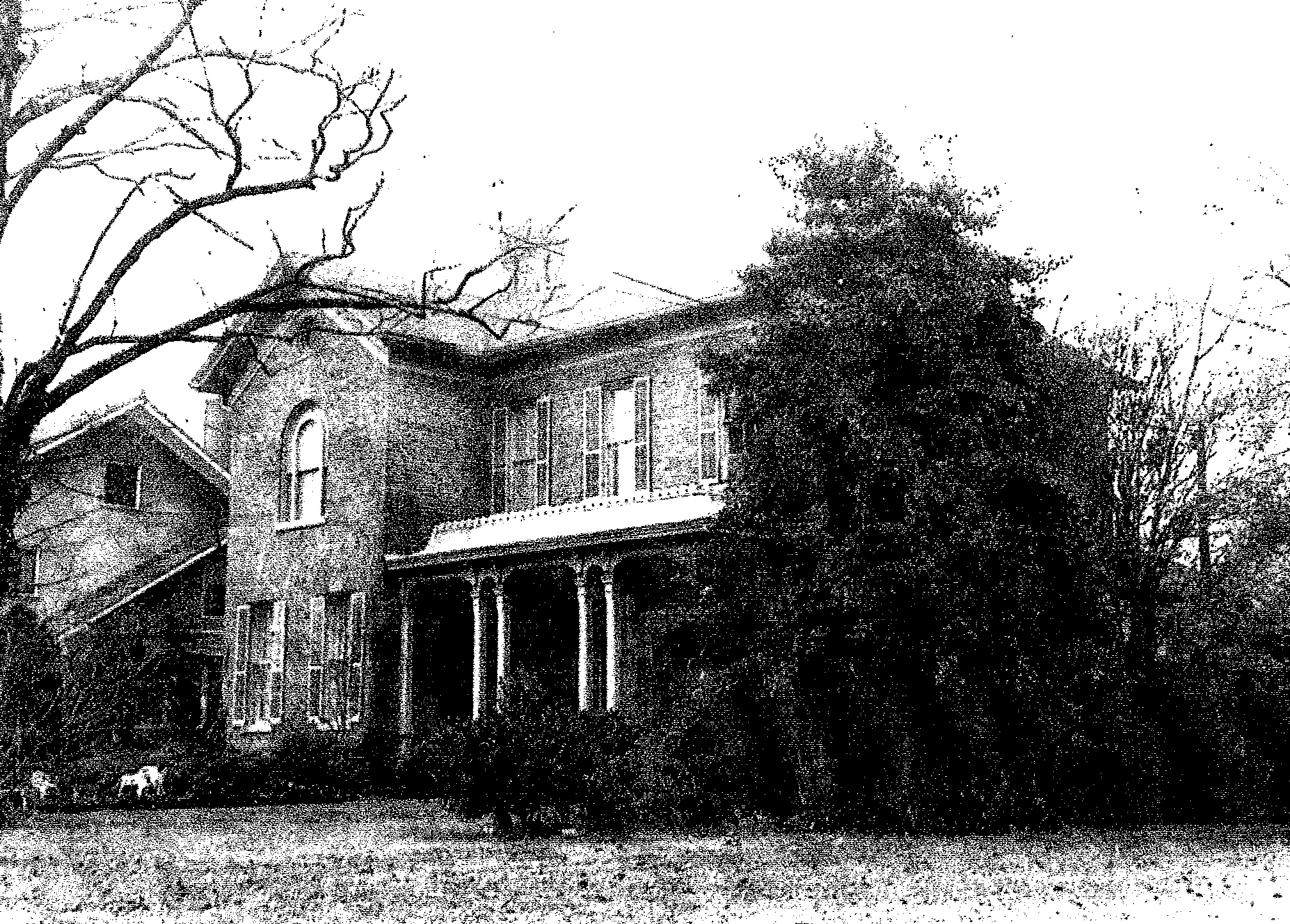
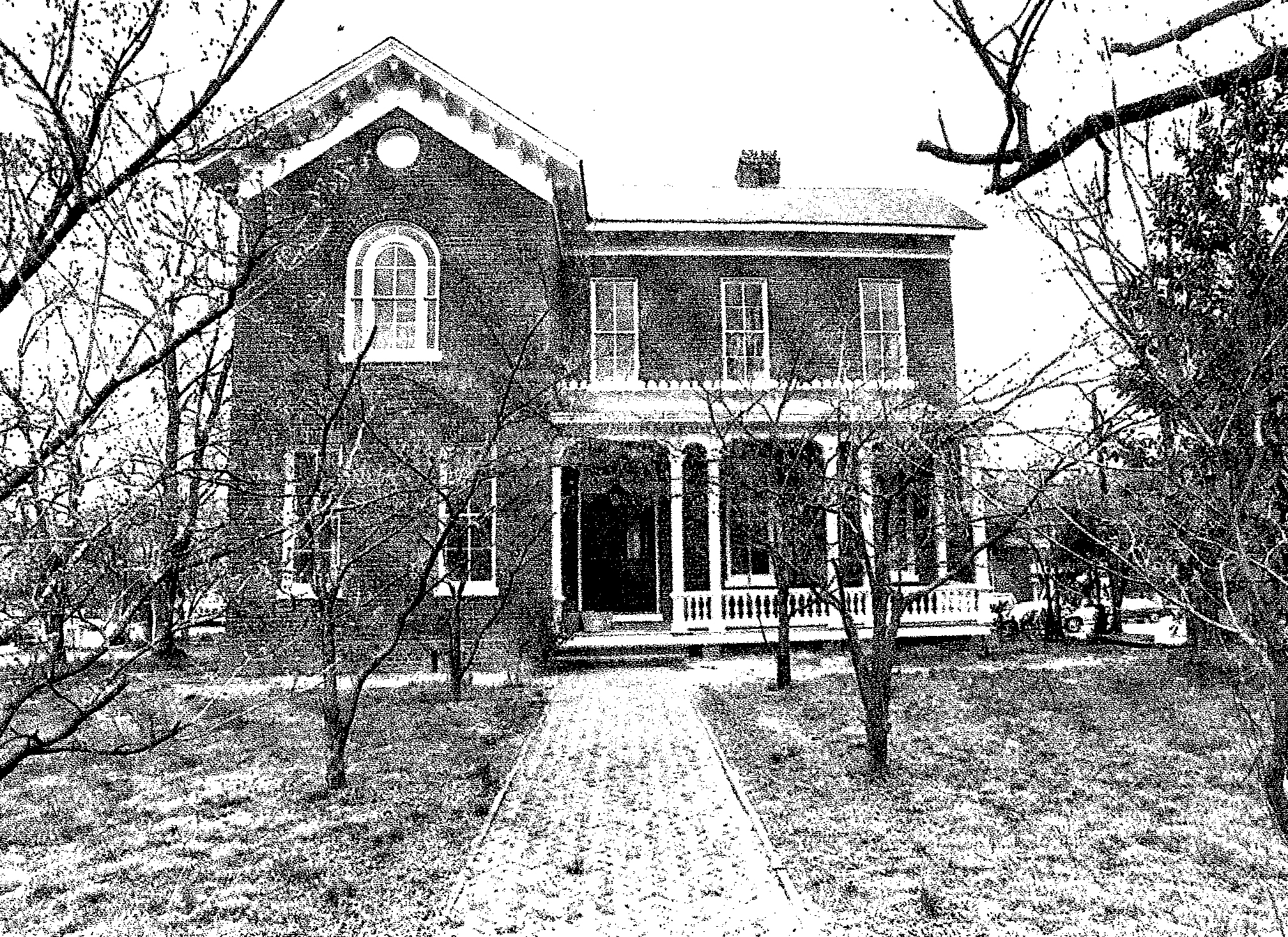
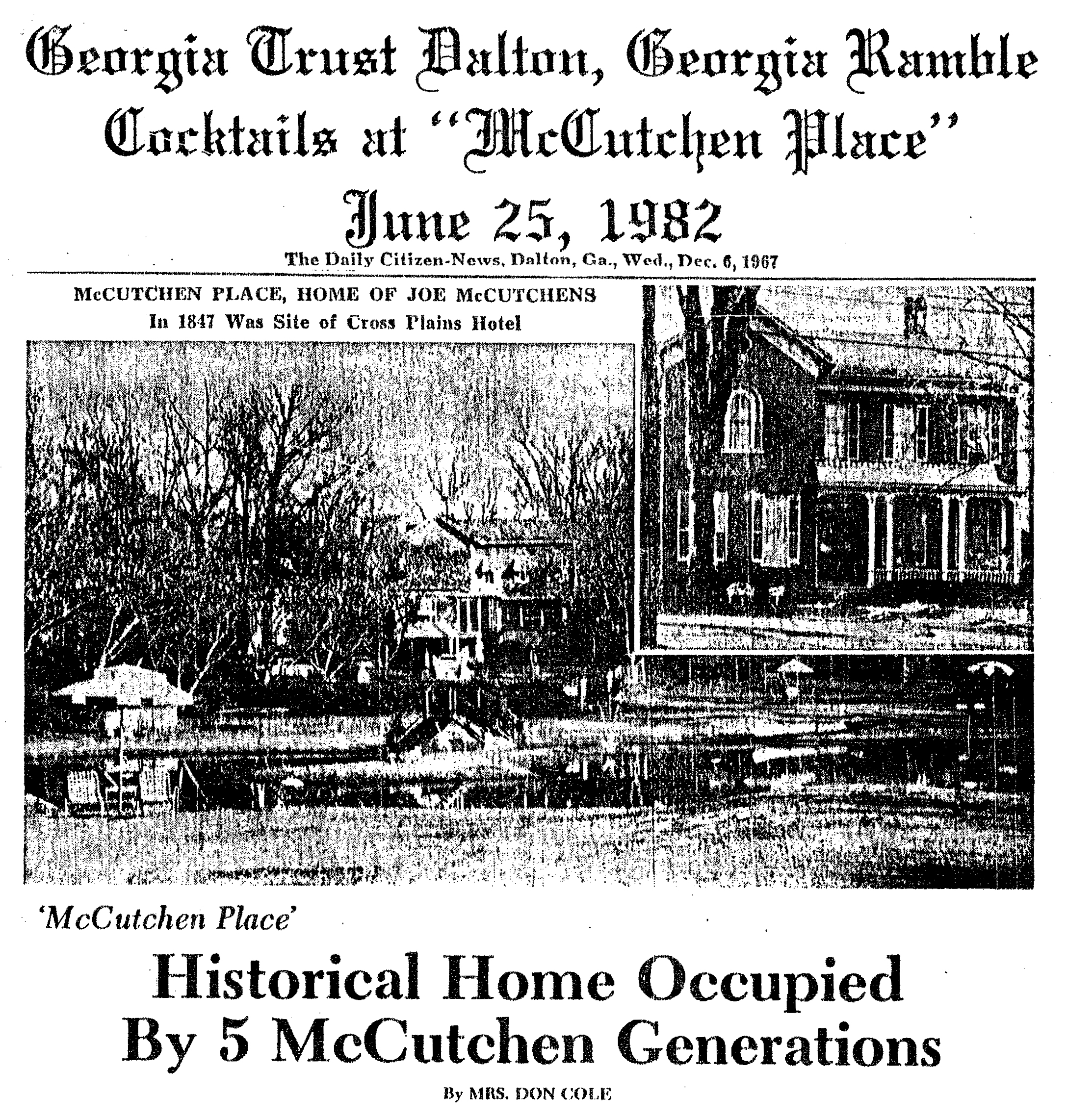
In 1847, when Dalton was called Cross Plains the “Cross Plains Hotel” stood on the site where “McCutchen Place,” the home of Mr. and Mrs. Joe McCutchen, now stands.
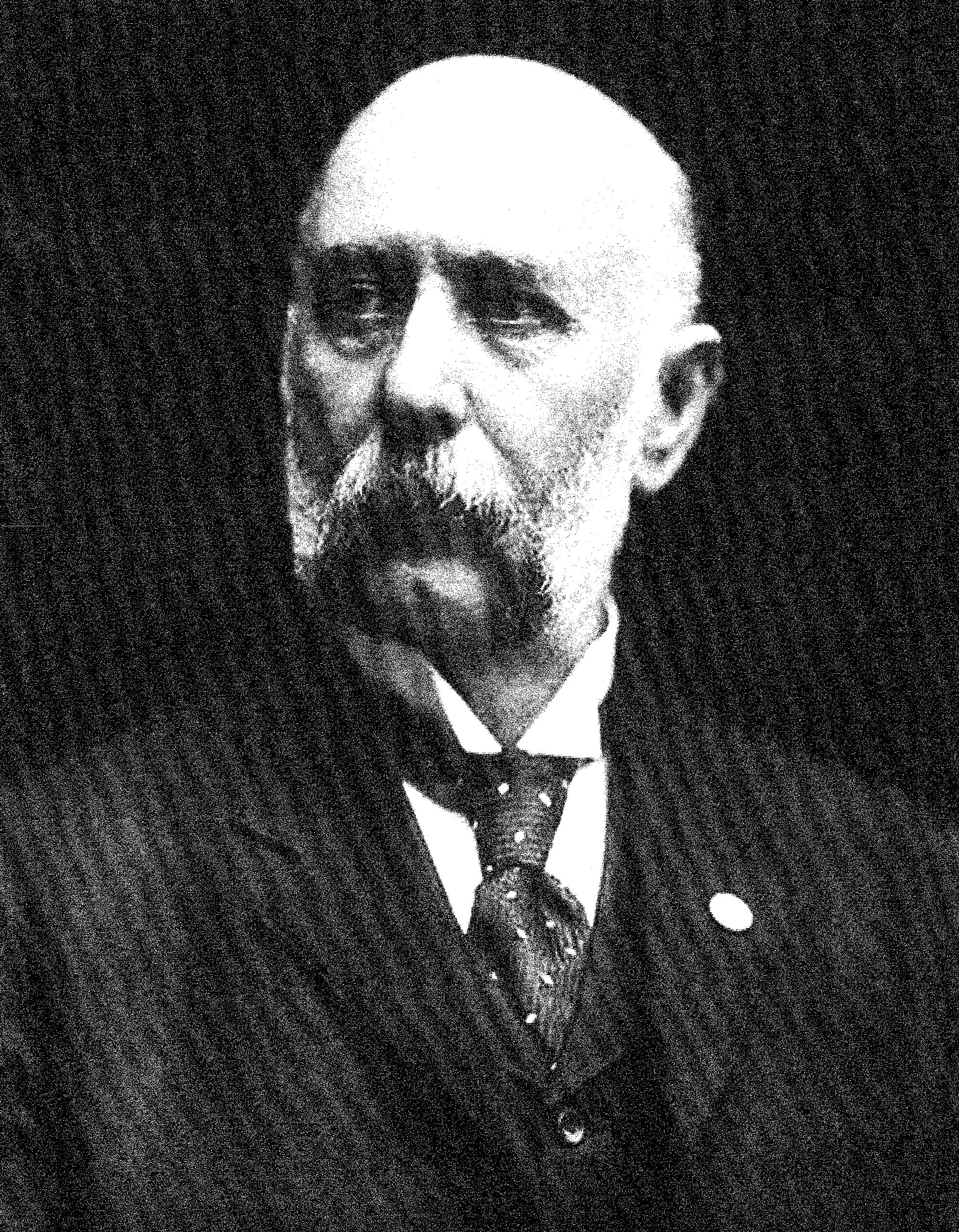
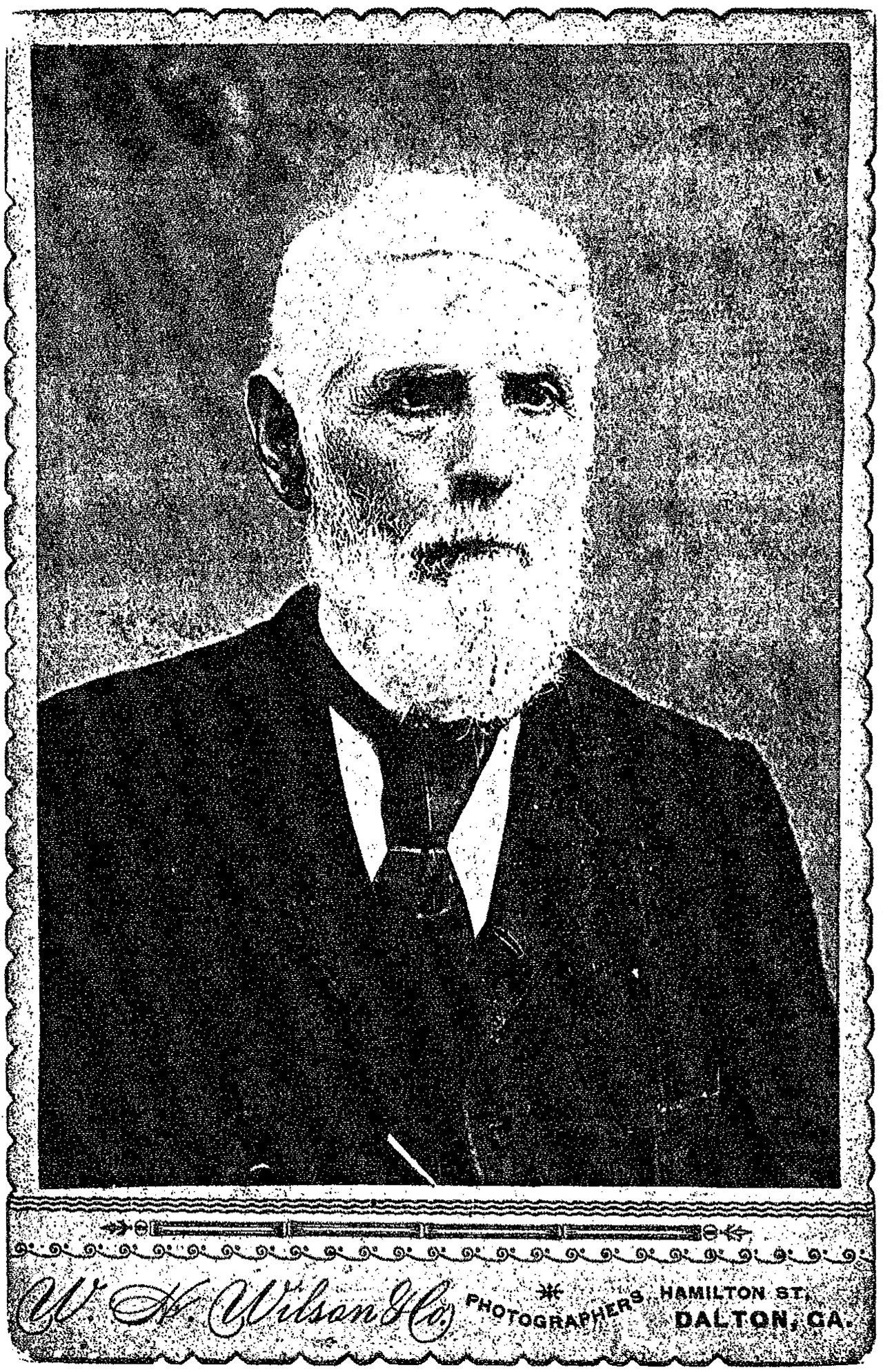
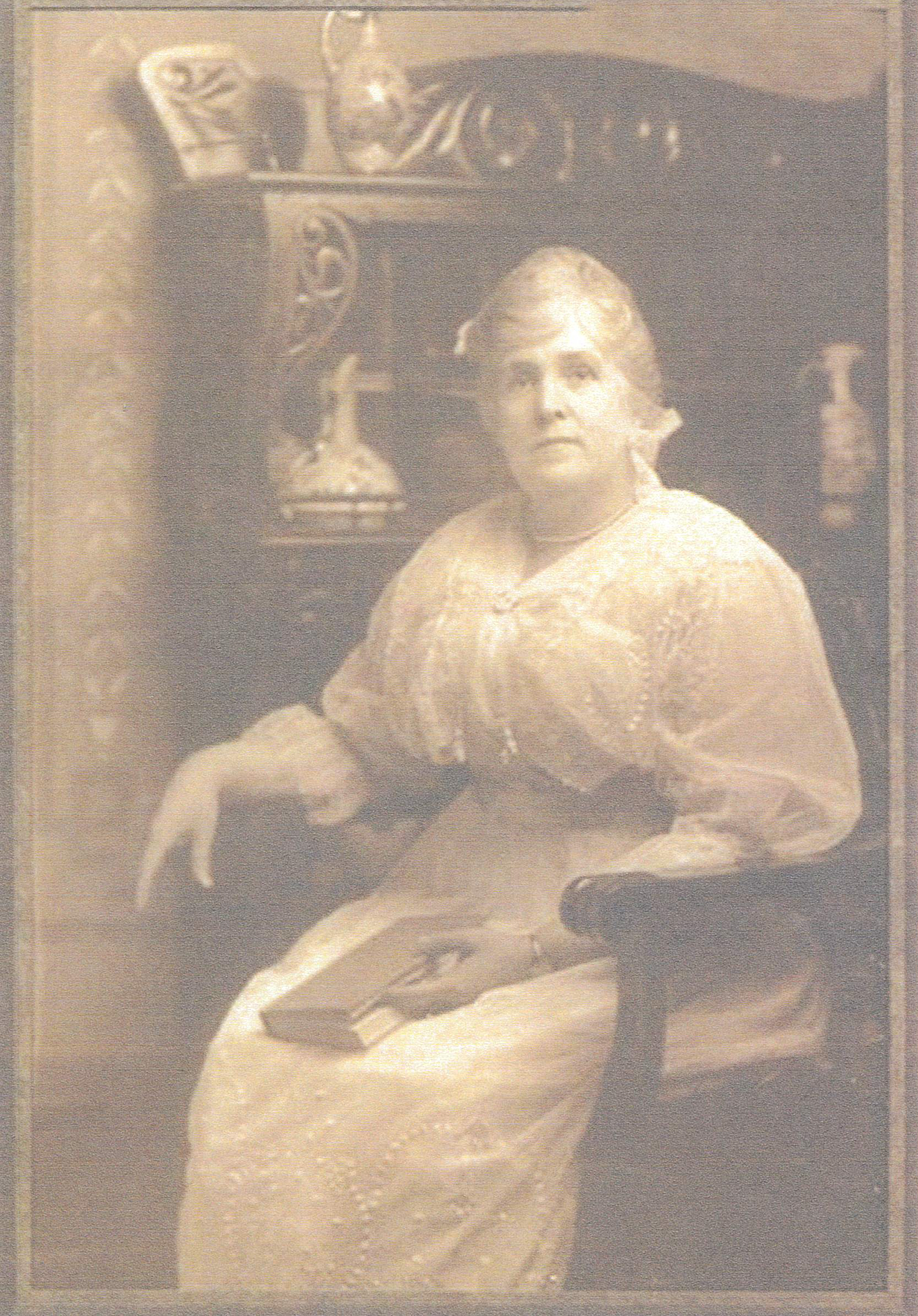
“McCutchen Place” is the home built by the late Judge Cicero Decatur McCutchen, who was one of Dalton’s more illustrious pioneers, having served three times as Commissioner Judge of the Supreme Court. He also served in the State Senate and was a Captain in Wheeler’s Brigade during the Civil War. For 40 years he was chairman of the Board of Stewards of the First Methodist Church of Dalton. Judge McCutchen was married to the former Fances Kelly, who had refugeed from Virginia to Georgia with her family.
At the time “McCutchen Place” was built, Judge McCutchen owned the land on either side of the present home, and the land extended back into the present cemetery. Later, Judge McCutchen gave the lot north of him to his son, the late C. D. McCutchen, Jr., and the lot south of him to his nephew, the late McCutchen Hardwick.
After Judge McCutchen died, the home was inherited by his youngest son, Frank Kelly McCutchen. At his death, his elder son, Joe Kelly McCutchen, inherited the home. His children, Joe Kelly McCutchen, Jr., and Dicksie McCutchen, were the fourth generation of McCutchens to live in the old home place. And since March 21, 1967, Joe Kelly McCutchen, III, is the fifth generation to make use of “McCutchen Place.”
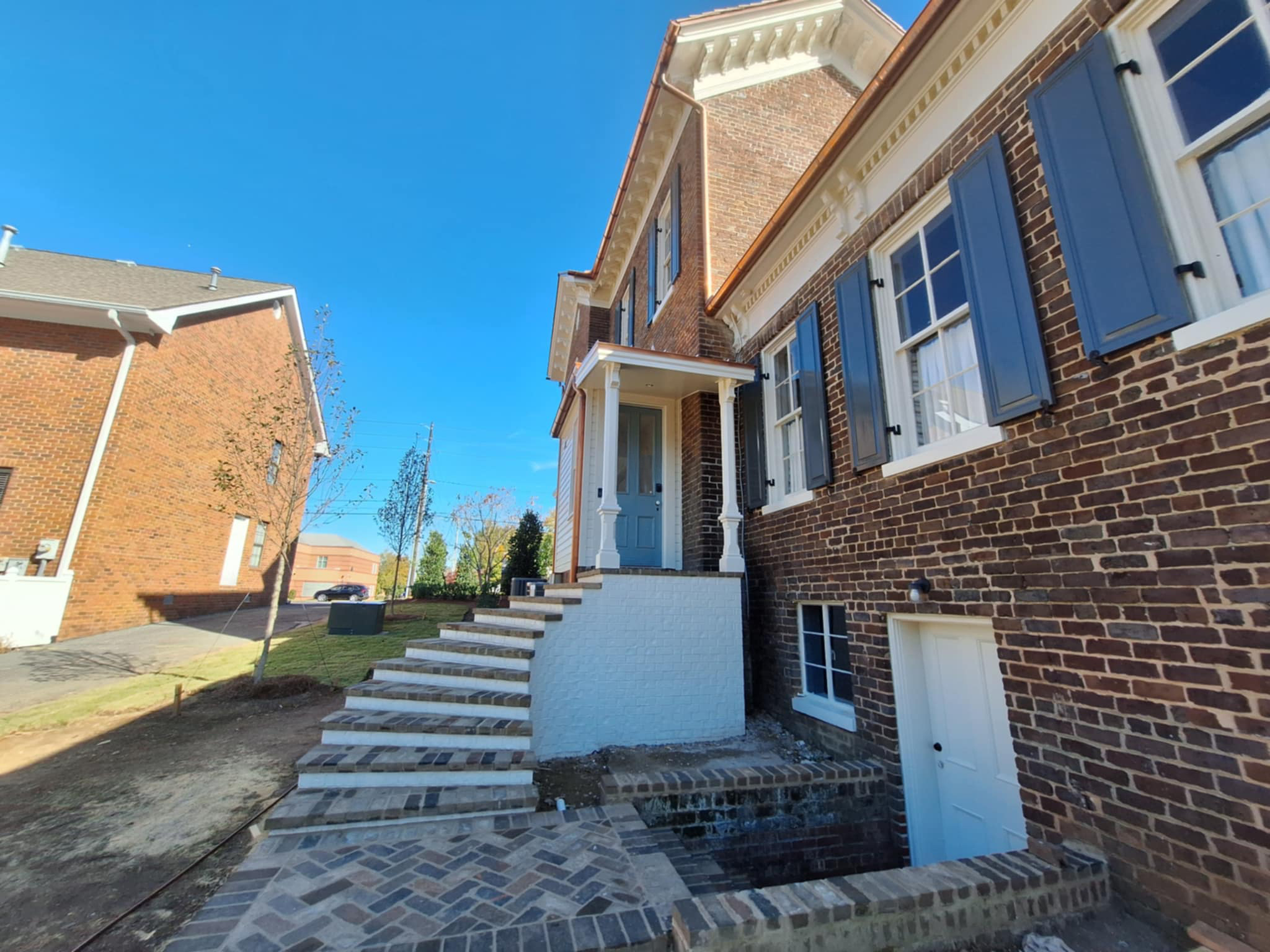
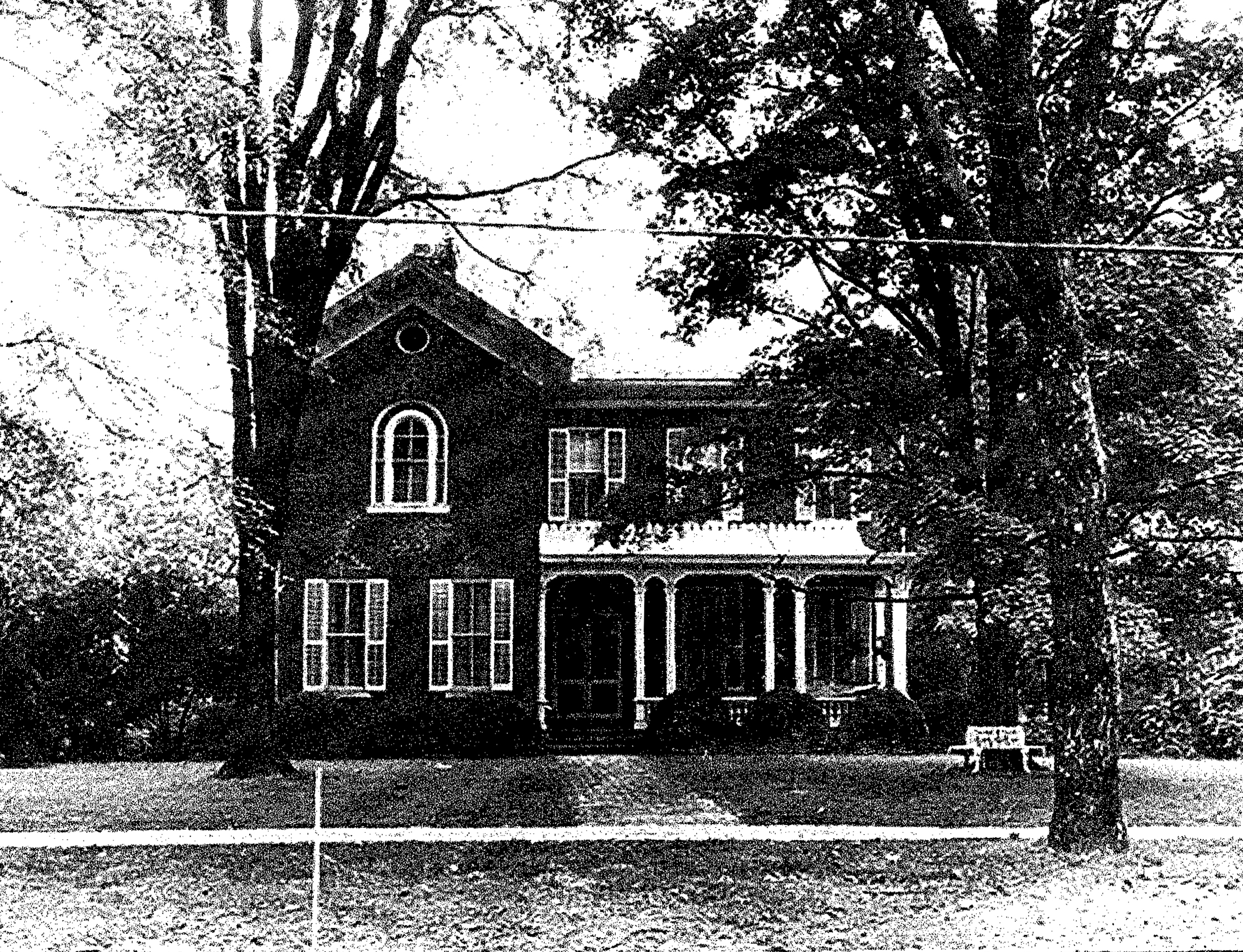
They were three years in the building of Judge McCutchen’s home, the years between 1867 and 1870. All the bricks were actually made at the site of the building and all the beautiful, intricately hand carved wood work was done by a German cabinet maker, engaged to do just that.
Originally, a fire place with hand carved mantel was in each room. The ceilings in the house are 12 feet high and the brick walls are 24 inches thick.
The arched windows on the front and sides of the house, as well as the small round windows in the front, were originally of dark blue glass.
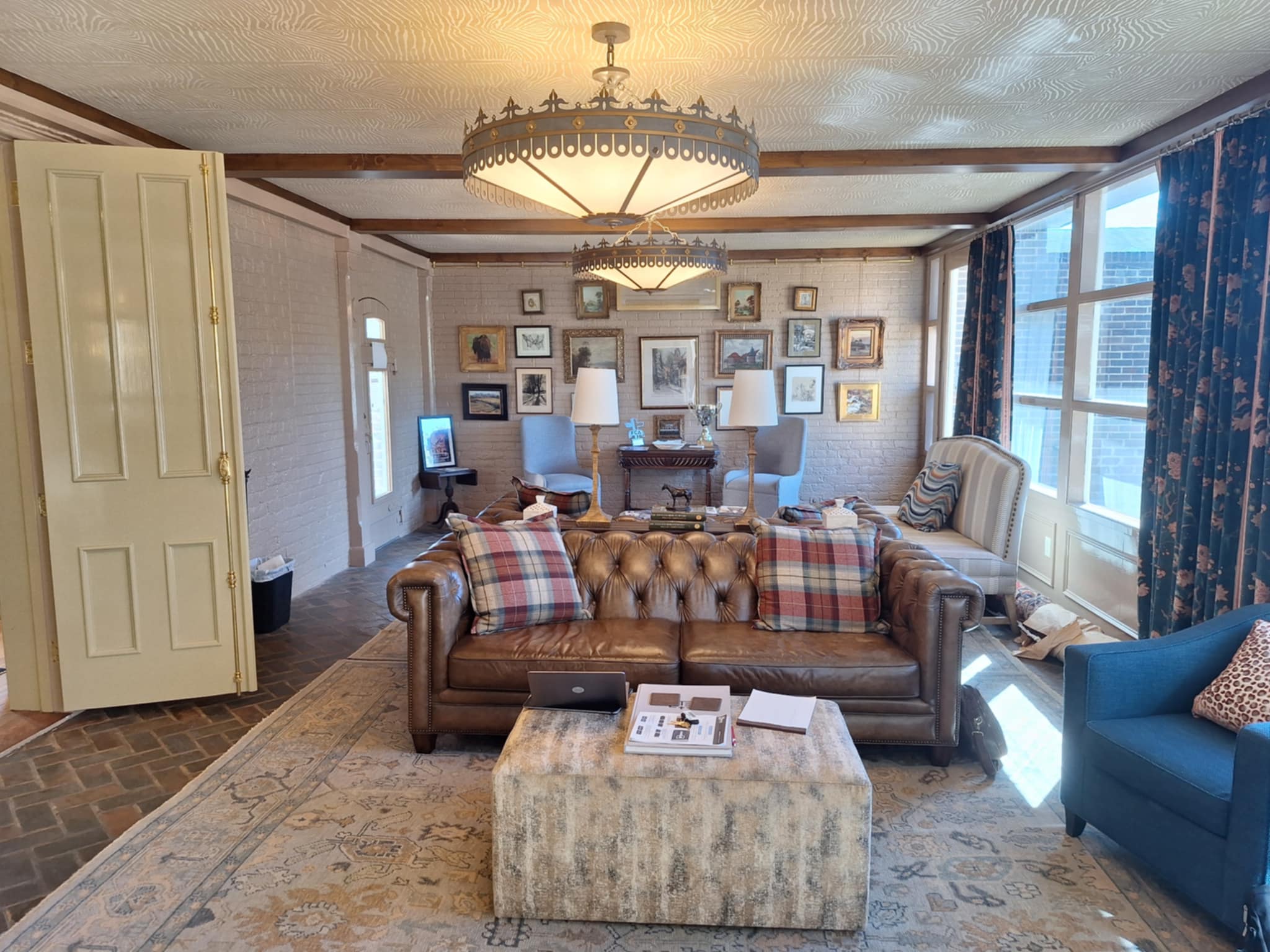
The home was restored in 1951 by Mr. and Mrs. Joe K. McCutchen. It now is on the three floors and contains 19 rooms plus four large halls. The furniture Mr. McCutchen’s grandmother, the late Frances Kelly McCutchen, brought with her from Virginia is presently being used in the front living room of the home. And in the front hall hangs the portrait of the original owner of “McCutchen Place,” Judge McCutchen.
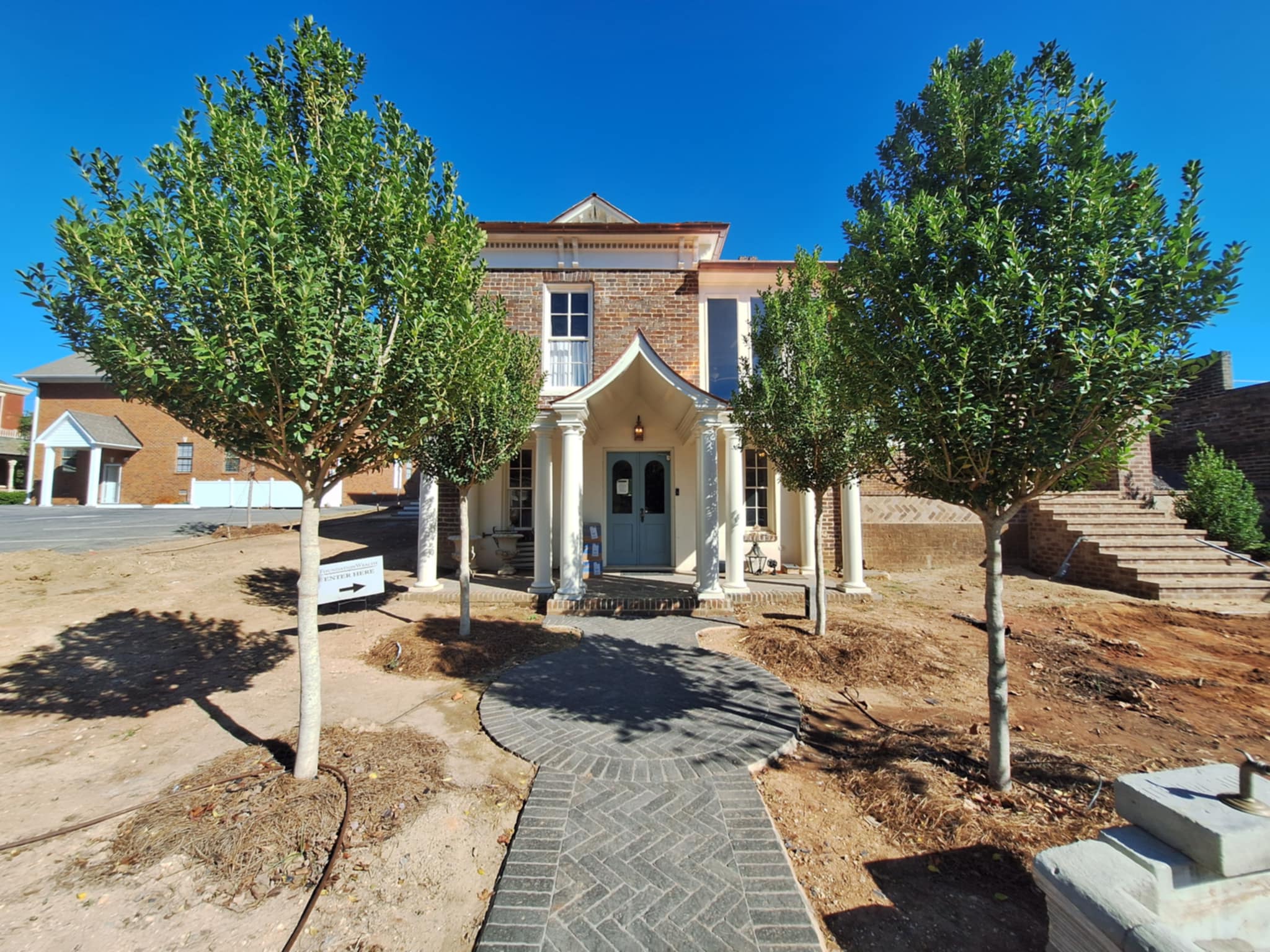
The beauty of the unique landscaping of “McCutchen Place” is a delight to all. The tall, old trees grace the front and sides of the home and underneath varieties of flowering shrubs have been strategically planted around the grounds.
In the back a long drive leading to the house crosses a stream which fills the small lake that was added a few years ago. An arched, wrought iron bridge draped with Carolina Jasmine spans the gap between the bank and an island where a beautifully lit foundation is nestled on one side. Outdoor lights have been interspersed among rocks and shrubs around the lake. The area of the lake also graces a small formal boxwood garden and sitting areas privoded by various styles of outdoor furniture.
The practice putting green, swings, trampoline, and canoe also make this a recreation area enjoyed by old and young alike.
This is just a glimpse into the heritage that is “McCutchen Place.” Today, as almost a hundred years ago, it is still a home of grace, beauty and livability.
Cicero Decatur McCutchen I
Cicero Decatur McCutchen I was born in Hall County Georgia, October 31, 1824, the son of Benjamin Reeves McCutchen and Jane Bell. The family later moved to Walker County, Georgia.
William McCutchen, father of Benjamin Reeves McCutchen, and grandfather of C. D. McCutchen I was born in 1760. He assisted in establishing American independence while serving as a private soldier in Virginia. He was in the Revolutionary battles in the Jerseys, White Plains, one against Cornwallis, in Virginia, and finally at Yorktown.
Cicero Decatur McCutchen I served in the army of the Confederacy as Captain of Co. F, 4th Georgia Calvary Regiment, under Colonel Issac W. Avary (see Avary’s History of Georgia). He was a lawyer, Chairman of the Board of Stewards of M.E. Church South 30 years, and Judge of Superior Court, 7th District of Georgia. Married Frances Cornelia Kelly in Walker County, Georgia (LaFayette), in 1854. Died March 17, 1898.
Frances Cornelia Kelly
Frances Cornelia Kelly, daughter of Thomas Devis Kelly and Phoebe Caroline Bryan, was born January 19, 1834, in Wilkes County, N. C., on the Yadkin River, near Wilkesboro. Her grandmother was Delphia Garrett Jones, daughter of George Jones, whose ancestors were originally from Wales. He was born in Virginia, later moving to Wilkes County, N.C., where Pheobe was born December 30, 1779. He had seven sons in the Revolution.
Her grandfather, Andrew O’Brien, came to America from Ireland, first to Pennsylvania, and later to Virginia, probably Orange County. He enlisted in the Revolutionary Army in 1777 in Chester County, Pennsylvania Militia. The family name of O’Brien was changed to Bryan about the time of the Revolution. The remains of Andrew Bryan lie in Wilkes County, N.C.
Frances Kelly’s father, Thomas Davis Kelly, was born in Maryland, May 18, 1786. He was a resident of Virginia at the outbreak of America’s second war with England in 1812 and enlisted with the Virginia troops. He held a commission of 2nd Lieutenant and later as 1st Lieutenant, signed by President James Madison.
A marker was placed on his grave at LaFayette, Georgia, by the General John Floyd Chapter, United Daughters of 1812 of Georgia.
Covington, Ga. June 17th, 1865
To His Excellency Andrew Johnson
President of the United States
Sir,
In the recent amnesty proclamation dated May 29th, 1865 “all persons who held pretended offices of the government of the States in insurrection against the United States” are excepted from the benefits of the proclamation.
I was a member of the last Georgia Legislature, and as such I suppose that I am excluded from the general amnesty offered in said Proclamation. I do not belong to any other excepted class mentioned in the proclamation and I am not liable to exclusion from it, except for the one above named.
My object in this communication is to make the said application to you for pardon on account of my connection with the late Rebellion. And to this end I respectfully submit the following statement:
In the latter part of the year 1862 I joined the Confederate Army as a private, enlisting in a company in Col. Avery’s Regiment of 4th Ga. Cavalry. On the death of my Captain in 1863 I was promoted Captain. In the fall of 1863 I was elected to the Senate in the Georgia Legislature. I accepted this office & therefore resigned my office of Captain & returned home to my family.
My place of residence for a number of years back has been at Dalton, Whitfield County, Ga. But in November 1863, a short time before the Battle of Missionary Ridge, my family removed to this place (Covington, Ga.) & I am still living here.
My family consists of my wife & three girl children, the oldest of which is nine years of age. I am a lawyer by profession and am dependent upon my profession & my personal exertions for the support of my family. When the war broke out in 1861 I suppose I was worth about nine thousand dollars, including in this estimate three slaves and all my property, effects & credits now together as well as payable at that time. Since 1861 I have not accumulated property. But on the contrary have lost far the greater part of what I then had, in casualties of war and by the necessary consumption in the support of my family during the war.
I have always been an orderly & law-abiding man, devoting my time to my private & professional business. I have never been a politician or political leader. I have never held or sought to hold any offices or position civil, political or military in my life except as above stated. Except that I served one year as one of the Aldermen or members of the City Council of Dalton a number of years ago.
It is due to candor and I suppose proper that I should state here that in the late Rebellion all my sympathies and feelings were in favor of the South. But while this was true, it is but just to myself to add that I have not rebellious feelings now.
I have taken the oath of allegiance to the United States and intend to observe it in good faith in all its bearings, and to do all the duties required or that may be required of me as a citizen of the United States.
Most respectfully,
Your Obedient Servant,
C. D. McCutchen
P.S. For the correctness of my statements and my character I beg leave to refer to the old citizens of Dalton of that vicinity. I cannot now have access to any of them so as to ask and secure any certificates from them as none of them live in this place. Mr. A. E. Blunt & Edwin Mellen, who left Dalton since the war began & went North, were both well acquainted with me. A. E. Blunt lived close neighbor to me. Mr. Blunt I am told is now at Wheaton, Illinois if he has not lately returned to Dalton.
From Avery's History of Georgia
“Judge C. D. McCutchen was a gallant calvary officer in the regiment of Col. I. W. Avery. He had been a State senator. He was a lawyer of unusual ability and legal discernment, and a gentleman of the highest social and Christian character, possessing a punctilious integrity, severe truthfulness, and a finely balanced temper and judgment. He made one of the best judges in the State. Notwithstanding his admirable spirit of equable temper, he was a very positive Judge, evincing his sturdy decision conspicuously in making the grand jury of Bartow County strike some objectionable matter from its presentments, the novel alteration exciting State interest, and resulting in the complete popular endorsement of Judge McCutchen.”
From the Chattanooga Times
When Governor Alexander Stephens, former vice-president of the Confederacy, died while he was Governor of Goergia in March, 1883, the Chattanooga Times Said: “The friends of Judge C. D. McCutchen of Dalton will put that able jurist and upright forward as a candidate for Governor of Goergia. The judge would make a model and worthy successor of the lamented Alexander Stephens.”
Children of Judge Cicero Decatur McCutchen and Frances Cornelia Kelly
1. Carrie Belle, who married Frank Hardwick of Dalton.
2. Laura Kelly, who married W. G. Douglas of Birmingham, Alabama.
3. Fannie, who married George Hardwick of Cleveland, Tennessee.
4. Jennie Clarentine, who married Jasper Satterfield of Birmingham, Alabama.
5. May, who married Porter Walker of Osborne, Kansas.
6. Cicero Decatur, Jr., who married Annie Jobe of Ringgold, Georgia.
7. Frank Kelly, who married Floy Felker of Monroe, Georgia.